

This comes from a rare and unusually personal interview Arild Tveiten shared with me. I’m grateful for his honesty and generosity, and I hope these insights help you on your own path.
There are moments in sport when you realize you are sitting in front of someone who didn’t just build athletes: he built a culture.
Someone who didn’t just coach people: he shaped identities.
Someone who didn’t just win medals: he changed what an entire country believed was possible.
That is exactly what it felt like speaking with Arild Tveiten, the man behind Norway’s triathlon revolution and one of the most influential coaches in modern endurance sports. Yet not many people truly know him. He spends most of his time doing the work, not giving interviews or appearing on podcasts. And when he does speak, people often get lost in the “movie” instead of hearing what matters: the principles and foundations. The pragmatic concepts anyone can apply.
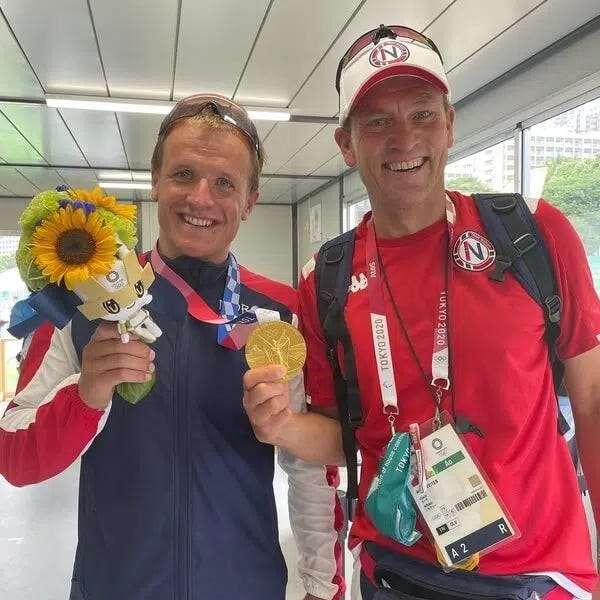
It took us months to put this piece together, and I hope I’m doing a better job presenting his ideas with the clarity and respect they deserve.
But here’s the truth most people don’t want to hear:
It was never about a method.
It was about a way of thinking.
A way of living.
A way of working: every single day!
This article is not a biography.
It’s not scientific jargon.
This is a masterclass, a distillation of everything Arild shared with me, including the stories, the mistakes, the personal struggles, the deep philosophy, and the brutally simple principles that created a dynasty in Norway.
And this masterclass is written for:
Anyone trying to build something meaningful
Anyone who wants to get better without shortcuts
Athletes and coaches, leaders and entrepreneurs, parents and students
This is Norway’s true advantage.
And it’s yours if you want it.
PART I: FOUNDATIONS
1. Everything starts with zero: Why that is an advantage
Most people think Norway’s success came from money, technology, lactate testing, or double-threshold sessions.
But when Arild began in 2011, he had:
No triathlon culture
No serious funding
No big-name athletes
No national identity around the sport
They started from zero.
And that was their secret advantage.
When you start with nothing:
You have no traditions to protect
No egos to satisfy
No rigid systems to follow
No pressure to imitate other countries
You are free to build something from scratch: something better.
And right from the start, Arild saw something that gave him conviction:
the work ethic of a young Kristian Blummenfelt.
Not talent.
Not perfect lab values.
Not genetics.
Work ethic.
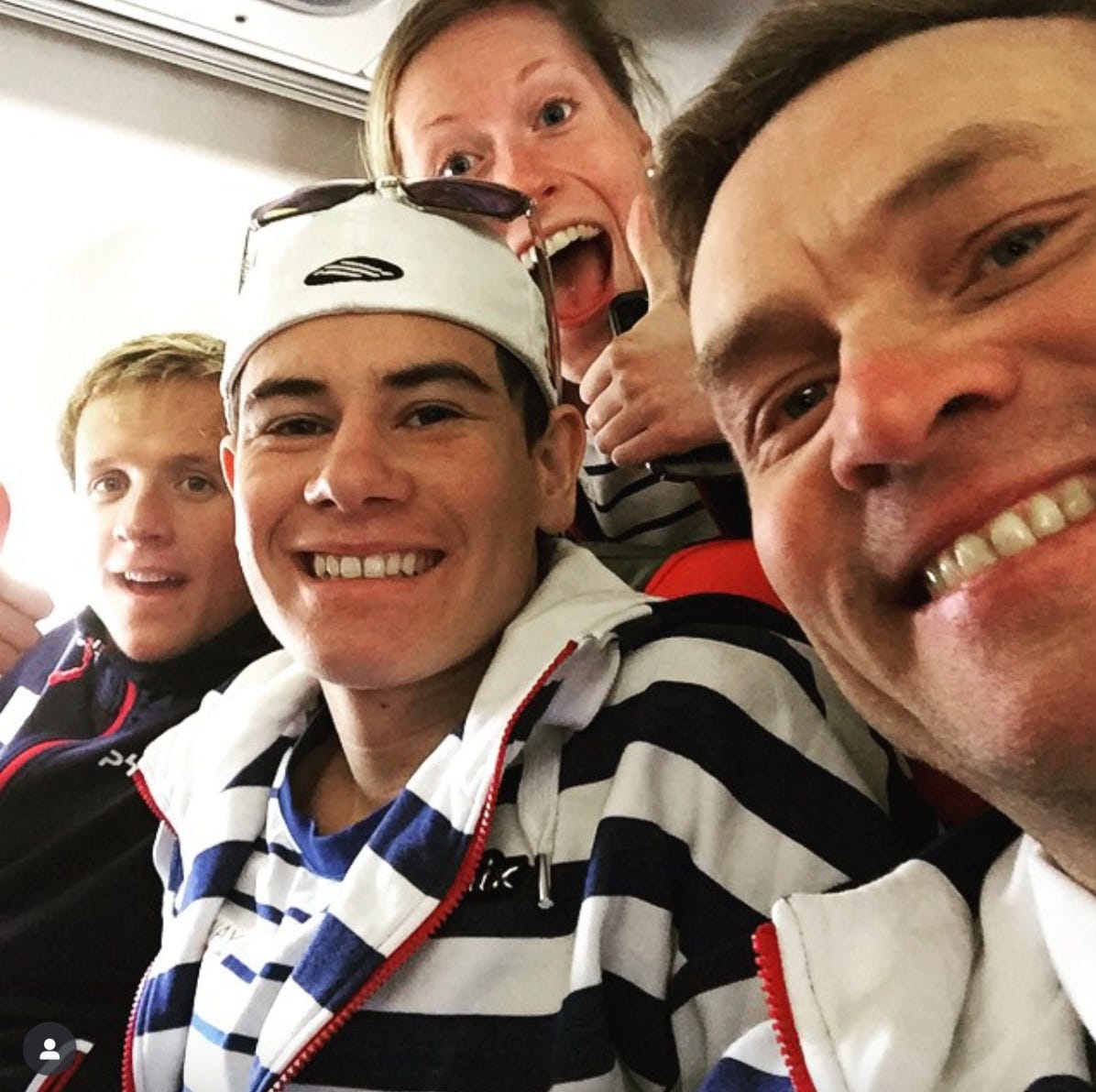
That was enough to believe.
“Very early I got the confidence that what we were building was good, maybe better than other countries.” —Arild
Possibility, not certainty: was enough to begin.
2. The mindset shift: Removing the limits
Arild speaks honestly about his own athletic past.
He had excuses.
He accepted limits.
He believed Norwegians couldn’t compete at the highest level.
Cold weather.
No money.
No tradition.
No access.
All excuses.
He sees it clearly now:
The only reason they weren’t good, is because they didn’t train well enough,
not harder, but smarter and with structure. —Arild
That realization became the DNA of the Norwegian system:
No limits. No excuses. Everything is possible if you really want it.
This message wasn’t motivational.
It was operational.
It shaped the daily environment.
It shaped the culture.
It shaped the expectation of every athlete entering the system.
And yes: people doubted him.
Parents complained.
People said he was dreaming.
They said Norway would never be a triathlon nation.
But when results started appearing… belief spread fast.
Belief always follows action: not speeches.
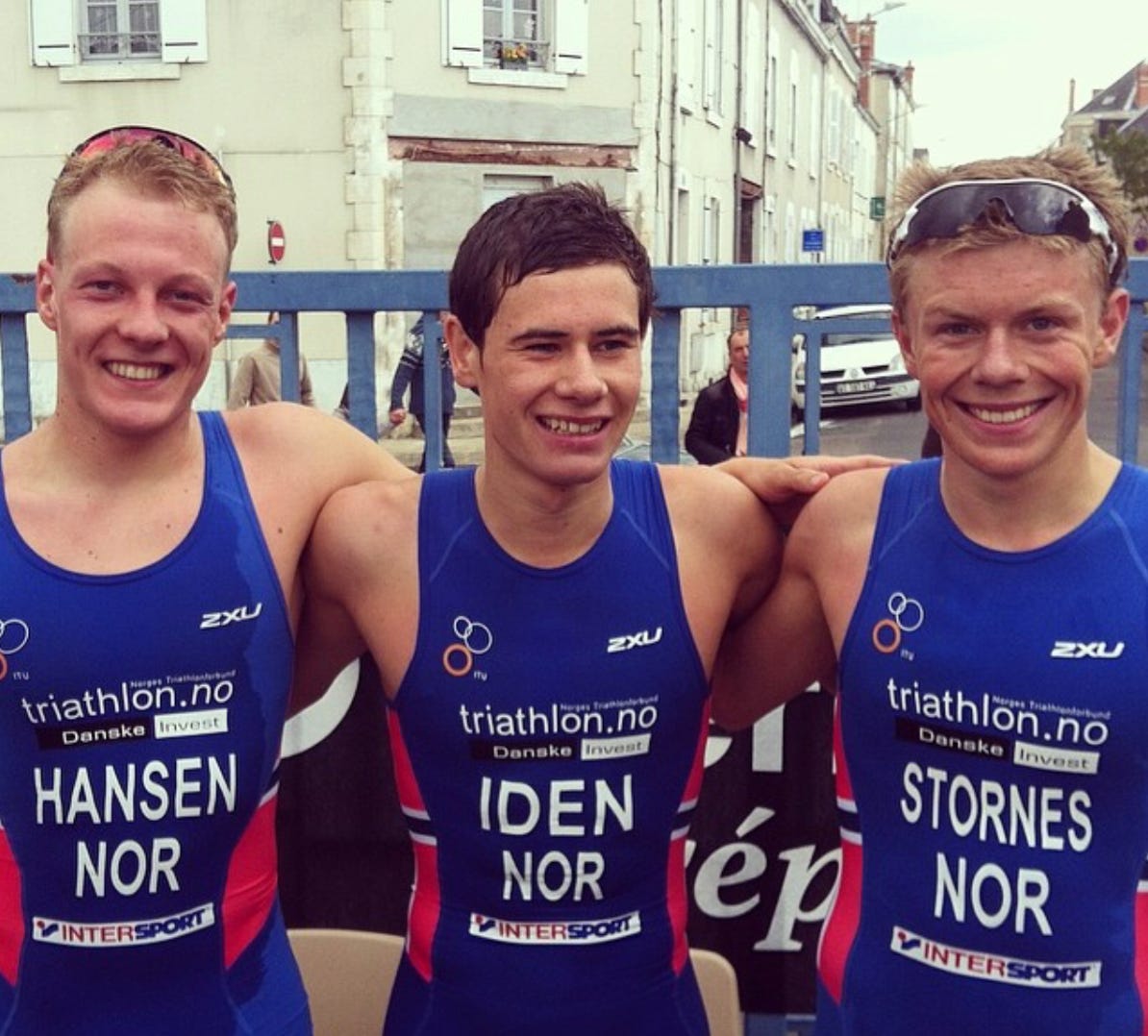
Arild didn’t accept limits. He tested ideas like an entrepreneur, learned fast, and refined everything in the real world: not in theory. He surrounded himself with people smarter than him, people who strengthened the principles and pushed the system forward. Humility, experimentation, and entrepreneurial spirit, that’s what set Norway apart.
3. The first real lesson: Systems win, not Individual talent
Before triathlon, Arild spent years working for Polar.
There he learned something most coaches still ignore:
Tools don’t matter unless they fit inside a system.
Heart rate.
Lactate.
Power.
Volume.
Intensity.
Data.
Tools are helpful, but without:
Daily discipline
Clear structure
Proper sequencing
Consistency
Athlete education
Honest communication
…every tool becomes noise.
He realized this when coaching amateur athletes:
People try to use intensity as a shortcut because they have “no time.”—Arild
The result?
Grey-zone training.
No progress.
Constant fatigue.
Burnout.
Tools without systems lead to chaos.
Tools inside systems lead to progress.
Norway built a system.
A simple system.
A robust system.
A system normal enough that anyone can copy it, but demanding enough that almost no one actually does.
Simple ≠ Easy
PART II: THE NORWEGIAN PRINCIPLES
This is the core.
The engine.
The philosophy.
The truth is simple:
There is no secret method.
There are only principles executed at a world-class level.
Principle #1: Show up on time, prepared and ready
Arild said the biggest nonnegotiable were the simplest:
Show up on time. Be prepared. Be ready for the work.—Arild
This means:
Equipment ready
Nutrition ready
Fueling done
Recovery done
Understanding the session
Mental readiness
No last-minute improvisation
There is nothing glamorous here.
But it’s exactly the part most athletes fail to execute.
High performers love complexity.
True champions master the simple things.
This is the first principle of Norway’s success: Excellence begins before the session starts.
Principle #2: Volume, intensity control and consistency
When I asked to describe the Norwegian philosophy in 3 words, Arild didn’t hesitate:
Volume. Intensity Control. Consistency. —Arild
And then he added number four: Fun!
Most countries obsess over intensity.
Most amateurs obsess over intensity.
Most coaches rely on intensity because it’s easy to “see progress.”
But intensity is a razor.
Used too often, it cuts the athlete instead of shaping them.
The Norwegians flipped the script:
Lots of volume. Easy pace. As close as possible to ~1.0 mmol of lactate.
Strict control at threshold. Here’s the key: we’re targeting 2.0 to 2.7 mmol of lactate, with an upper limit of 3.0 mmol, not the traditional “standard 4 mmol” threshold.
Long-term consistency. The real gains come from repeating the basics for seasons and years, not weeks. One good block changes nothing. 10 good years change everything.
Never rushing adaptations. If you force progress, you lose it. If you respect the process, you compound it.
This is the most misunderstood part of the philosophy:
You are not supposed to feel like a superhero every day.
You are supposed to feel good enough to train tomorrow.
Consistency beats intensity. Always.
Principle #3: Start slow to get fast
Arild’s early athletes trained with heart rate and simple RPE cues.
They learned to listen to their bodies.
They learned recovery.
They learned how training accumulated over time.
And he taught them something essential:
“It is almost impossible to go too easy on easy days”. —Arild
Most amateurs ruin this.
Most young athletes ruin this.
Most countries ruin this.
Why?
Because they confuse “hard training” with “good training.”
Real training is sustainable.
Repeatable.
Absorbable.
Boring.
It’s the accumulation, not the sensation, that builds champions.
Principle #4: The long game (not early specialization)
One of the most powerful insights from Arild is his critique of Talent ID systems:
“Early selection kills long-term development.”—Arild
Why?
It creates pressure to perform early
It shifts training toward intensity
It excludes late developers
It creates fear of failure
It prioritizes medals over mastery
Norway chose the opposite approach:
No strict selection
Low pressure early
High patience
Development over performance
Process over results
You get the athlete you invest in, not the athlete you select.
PART III: WHAT SCALES & WHAT DOESN’T
This is where the masterclass becomes practical.
1. What works for everyone: Elite, amateur and youth
Arild made this extremely clear:
“The same principles apply to everyone: you just scale the volume.” —Arild
This includes:
High volumes of low intensity
Controlled threshold work
Consistent week-to-week structure
Clear session execution
Educating the athlete
Sustainable workloads
Proper recovery
Whether you’re an Olympic hopeful or an older amateur training after work, the principles are the same.
The difference is hours, not philosophy.
2. What doesn’t scale
Arild is very direct on this:
“You cannot replace volume with more intensity.” —Arild
Time-crunched athletes often try:
They think easy, but they go to hard
Harder easy days
Threshold instead of Zone 1
VO2 instead of threshold
Back-to-back intensity
“More pain = more gain”
No chance for recovery-adaptation
This kills progress.
It leads to:
Stagnation
Grey zone
Poor recovery
Illness
Injury
Burnout
If you don’t have time, is fine.
But don’t pretend intensity is a shortcut.
Intensity is not a multiplier. It is a tax.
PART IV: BUILDING ATHLETES FOR THE LONG RUN
1. Longevity principle #1: Love the process
Arild has coached athletes who chased performance for the wrong reasons.
He’s seen them burn out.
He’s seen them disappear.
He’s clear:
“If you chase results, you cut corners. If you love the process, you last.”—Arild
Most people want the medal, not the lifestyle.
Champions want the lifestyle, not the medal.
2. Longevity principle #2: Sustainable intensity, sustainable load
“Athletes burn out for one simple reason: they train at intensities they cannot repeat for years.”—Arild
Arild insists on this:
You must have off days
You must have easier weeks
You must prioritize adaptation
You must train at intensities you can sustain for decades
Sustainability is efficiency.
Efficiency is mastery.
Mastery takes time.
3. Longevity principle #3: Avoid the global race calendar trap
This is a lesson specific to triathlon but universal in principle.
Athletes chasing Olympic points race too much, too soon, too often.
They lose:
Training blocks
Development time
Adaptation cycles
Season rhythm
Mental freshness
They chase ranking instead of evolving.
And the sad truth?
Most arrive at the Olympics exhausted, not ready.
But I really think deeply about this one:
“When you chase too many short-term wins, you destroy long-term potential.” —Arild
In training, racing, business, relationships and even personal growth, the same pattern shows up:
too many goals
too many “urgent things”
too little recovery
too little patience
And the result is always the same: you arrive at the important moments exhausted instead of ready.
The Norwegian lesson is simple:
Protect your development blocks, protect your focus, and avoid the temptation to “race” all the time. The world rewards those who stay patient long enough to grow.
PART V: TECHNOLOGY, FEEDBACK AND ADAPTATION
1. The biggest misconception: Norway is not a lab project
People imagine the Norwegians as lab rats.
Always testing.
Always measuring.
Always analyzing.
Arild corrected this directly:
“Testing is part of the culture, but not the driver of the culture.”—Arild
The foundation is:
Listening to the body
Understanding effort
Clear communication
Personal awareness
Daily consistency
Tools help.
Tools support.
Tools refine.
Tools never replace the fundamentals.
2. The “coach eye” principle
This is where Arild becomes very human.
He explains that as he matured as a coach, he relied less on numbers and more on understanding the athlete:
How do they speak?
How do they look?
How do they behave in the morning?
What is their mood?
What are they not saying?
There is a lot of hidden knowledge between the lines.
Numbers show the data.
Eyes show the truth.
So… How to train the Norwegian way without money, labs or technology?
Arild gave a blueprint anyone can use:
1. Train a lot, but… very easy. Learn true easy!
2. Do intervals around LT2 (controlled threshold)
3. Use RPE if you don’t have tools
4. Avoid going too hard on any session
5. Always leave one more interval in the tank
That’s it.
No labs required.
No altitude required.
No gadgets required.
Just discipline.
PART VI: EVOLUTION, IDENTITY AND SYSTEMS
1. The turning point after Tokyo
After Blummenfelt’s Olympic gold and Iden’s Ironman success, Norway faced real change:
Their stars left the federation
Their top sport scientist (Olav) left
They lost the mixed relay qualification moments before Tokyo
They needed to rebuild
Arild had to shift from coach to director
Personal challenges hit him at the same time
This part was deeply personal.
The pressure, the stress, the balance between family and work: it was almost too much.
But he rebuilt the system anyway.
He produced new champions anyway.
He kept the culture alive anyway.
And that’s when you understand: The system works because the leader works.
2. Transition to swimming: Same philosophy, new battlefield
Arild now leads Norwegian swimming.
But swimming has:
Professional clubs
Full-time coaches
Different power dynamics
Less centralization
Less control
He cannot impose a system. He has to influence a system.
So he shifted from:
Direct coach → System architect
Making decisions → Building relationships
Controlling training → Supporting coaches
Different sport.
Same principles.
Same philosophy.
Different strategy.
A true system builder adapts.
3. The one change he would make if he could start all over again
This part surprised me.
He said the system he built was small, flexible and fast, but not sustainable.
They worked too much.
They invested too much.
They gave everything.
It worked, but it was costly.
If he could do it again:
He would build a slightly bigger team
He would protect coach longevity
He would create more support
This is honesty.
This is humility.
This is experience speaking.
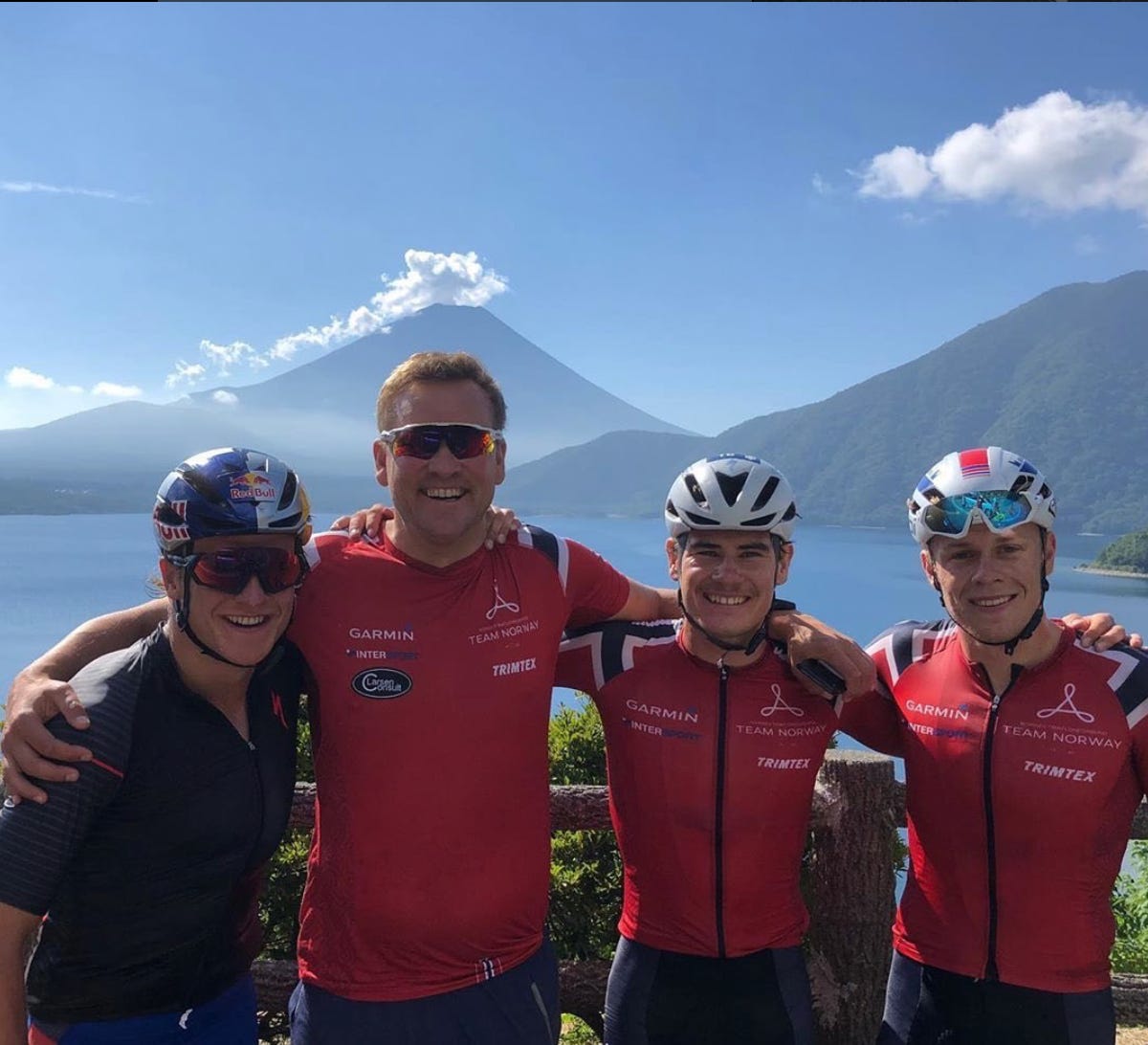
The fact that he can recognize this openly speaks volumes about his character. Chapeau. 🫡
PART VII: THE HUMAN SIDE
1. Advice for coaches without facilities or money
Arild’s advice is brutally simple:
“Stop limiting yourself. Stop blaming the environment.
Invest your time. Show belief before results appear.”—Arild
He knows because he used to make the same excuses.
Now he knows better.
2. Blueprint to develop great athletes from scratch
He summarized it in 3 steps:
1. High volume
2. Good intensity control
3. Invest time and belief in the athletes
Not magic.
Not lab science.
Not special talent.
Time + consistency + patience.
3. Motivation, discipline and identity
Arild’s view here is profound:
You must love the sport
Motivation comes from love
Discipline follows naturally
Most days are normal, not heroic
You shine only a few times per year
You must enjoy the path, not the medal.
Otherwise you won’t last.
4. The question every athlete should ask
Not:
“How can I get faster?”
“What training should I do?”
“What’s my VO2 max?”
But:
“Am I doing what I really want and need to do?”
This question eliminates:
External pressure
Ego-driven decisions
Comparison
Career mistakes
It forces internal alignment.
And aligned athletes go further.
5. Fatherhood, patience & growth
Becoming a father taught him:
Patience
Calmness
Perspective
Long-term thinking
He admits he used to chase the next goal too fast.
Never satisfied.
Never calm.
Fatherhood slowed him down.
Made him wiser.
Made him better.
This made him a better coach: because he stopped rushing athletes too.
6. What he is most proud of?
This part is deeply personal.
He isn’t proudest of world titles.
Or Olympic golds.
Or Ironman wins.
Or Norwegian dominance.
He is proudest that:
1. He created his own career path
2. He built something meaningful
3. He influenced athletes’ lives
4. He met the love of his life toward the end of his time at the federation
5. He helped people grow
6. He stayed true to himself
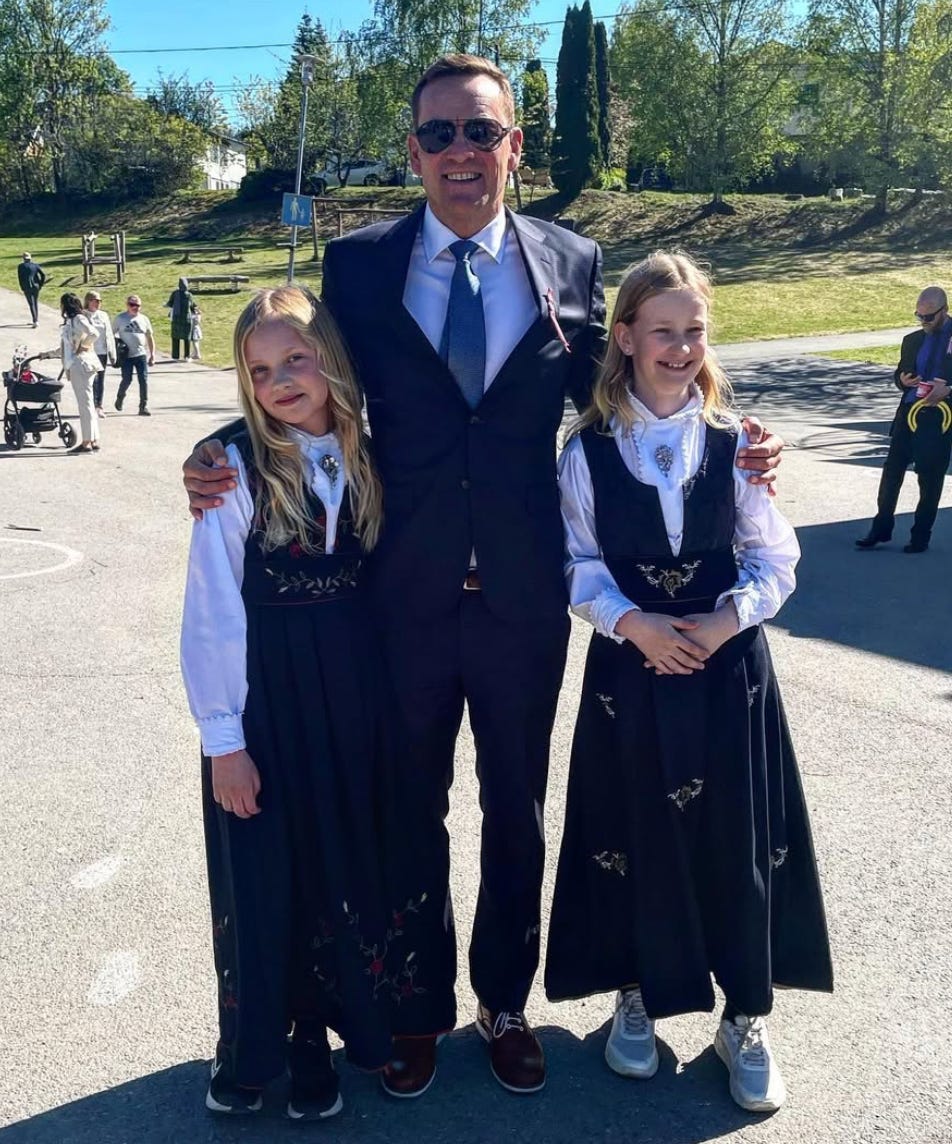
He is proud of the life he built, not the medals he collected.
7. What he hopes athletes will say about him
This is the real legacy.
Not speed.
Not results.
Not medals.
But:
“He was genuine. He cared. He invested his time in us.”
That is the ultimate definition of a coach.
Not performance.
Presence.
PART VIII: THE MASTERCLASS
This is the part you can implement today.
1. Remove all limits and excuses
Everything is possible if you want it enough and work consistently.
2. Show up on time, prepared, and ready
Execution begins before the session starts.
3. Train a lot, mostly easy
Volume builds the base of everything.
4. Control intensity with discipline
Threshold is a skill, not a sensation.
5. Chase consistency, not hero workouts
Anyone can be a hero for a day. Champions repeat the basics.
6. Avoid grey-zone training
Easy means easy. Hard means controlled.
7. Build athletes for 10 years, not 10 months
Avoid early specialization and early selection.
8. Educate the athlete
Awareness > technology.
9. Use data, but trust your eyes
The body speaks if you know how to listen.
10. Create an environment that feels safe and enjoyable
People thrive in trust, not fear.
11. Invest time before results appear
Belief creates belief.
12. Make the process the identity
Love the daily work, not the medal.
My final thoughts
Norway didn’t win because of a secret, a method, technology, luck or pure talent.
They won and keep winning because:
Someone cared deeply
Someone believed without evidence
Someone worked without excuses
Someone built a system
Someone invested in people
Someone stayed patient
Someone created a culture
And that someone is Arild Tveiten.
This masterclass is not about Norway.
It’s about what you can build, if you choose principles over shortcuts, process over ego, consistency over chaos and belief over fear.
This is not a method. It is a way of life.
And you can start today.
Thank you, Arild, from the deep of my heart for this honest conversation, your time, and your humble approach to sport and life. Keep winning! 🫡
Have a great week 🤙🚀
The pictures from the early days are gold. Loved this one.
Thanks for writing this Iñaki, I really do enjoy the behind the curtain series that you've done, it's super insightful.
I think the thing that really is interesting is the education piece around encouraging ourselves, other athletes and the broader community to embrace 'boring'.
The latter is something that's coming more and more into my thinking. Particularly youth sports. They're not very well invested in here, and especially over this side (apart from football). With kids in preschool and seeing they types of coaching and approaches. It's very different from what sets the Norwegian approach apart from others.
Taking into account "No limits. No excuses. Everything is possible if you really want it"
I wonder how to make first steps in trying to influence change at a local level. It's hard enough convincing your own ego to trust the process, never mind other athletes, or even harder, parents of kids who want to see them 'doing well'. I understand the latter and now with kids getting into sports, I really understand the pressures that parents put on the kids and the process.
I think at a broader level "You get the athlete you invest in, not the athlete you select" feels like it's not the way it works here right now. I wonder how Arild was able to convince the federation, the country, that this was the risk and approach to take? How was he able to convince the parents and athletes that this approach was the way forward?